Brittle Iron-Rich Fragments
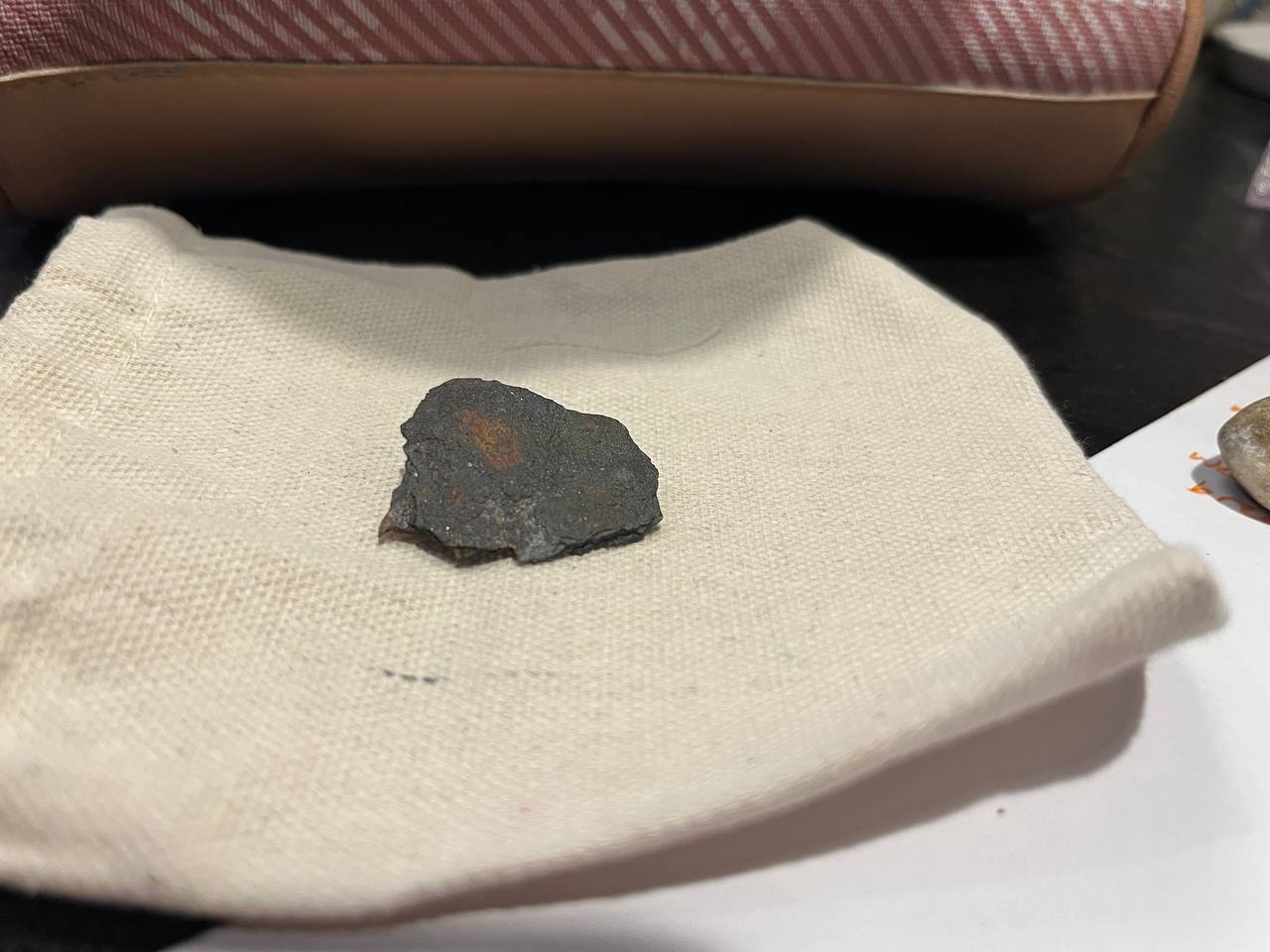
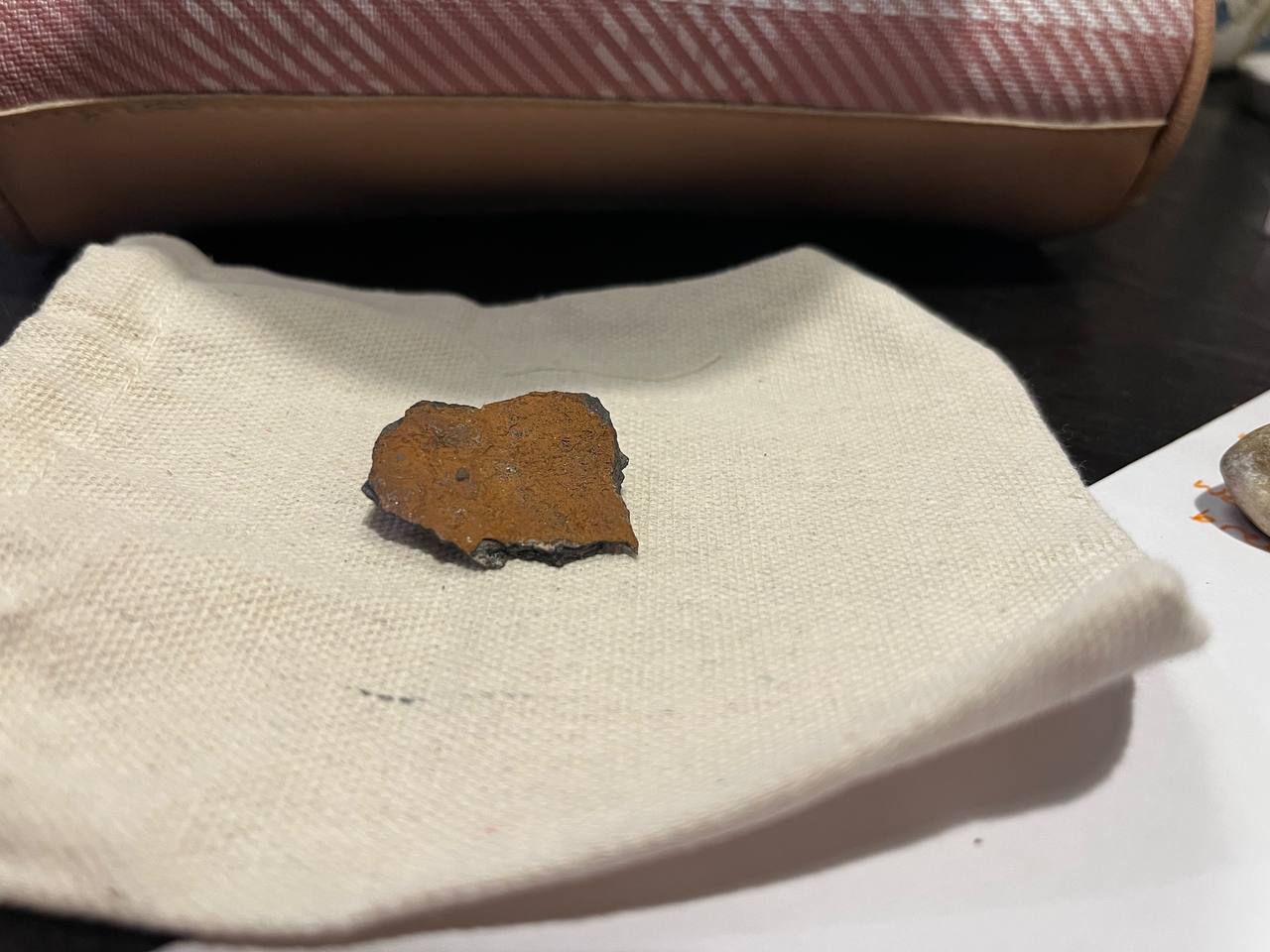
You noted these are brittle — that’s the key clue. Best read: ironstone / laterite — rock heavily loaded with iron oxides (hematite Fe₂O₃, goethite FeO·OH). The dark grey-to-rust colour and rusty orange patches are iron in different states of oxidation; the second piece is almost fully rusted orange.
Why they’re brittle and crumbly
These formed by weathering, not by melting or crystallising clean. In hot, wet climates, water dissolves away the soluble parts of a rock and leaves behind a porous residue cemented by iron and aluminium oxides — that’s laterite (the red building stone and red soil all over peninsular India). Because it’s a porous, weathered crust rather than a tightly interlocked crystalline rock, it crumbles and snaps easily — hence brittle. A solid igneous rock like basalt would feel much harder and ring when tapped.
Test to confirm
- Rub it on rough unglazed tile → rust-brown / red streak = iron oxide (ironstone/laterite).
- If a magnet tugs even slightly, it’s iron-rich (sometimes magnetite is present).
- If it’s surprisingly heavy and metallic, a chip could be slag (furnace waste) rather than natural rock — worth keeping in mind for beach/urban finds.
Where from
Laterite/ironstone blankets much of the Deccan and the Western Ghats foothills; fragments wash into rivers and beaches everywhere in the region.
Filed under the natural-artifacts collection. See also: four-fragments.